Le Journal de la recherche et du transfert de l’arc jurassien, En direct 251
Traitement de cheval : la fin des idées reçues


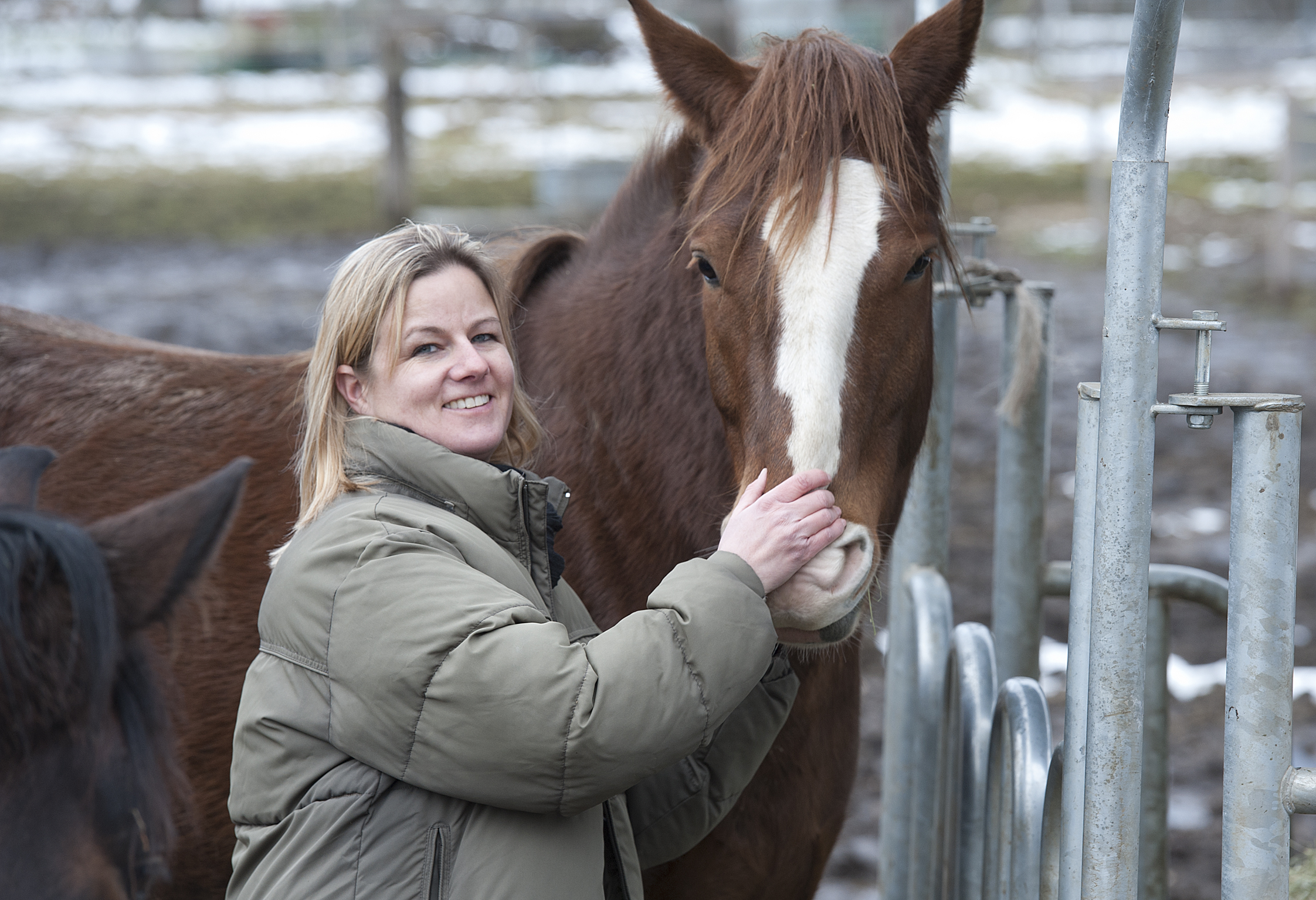
Dr. Liselore Roelfstra
Co-founder and director of Animal Diagnostic Sàrl
My scientific interests lie mainly in livestock health issues, with a special focus on immunology, epidemiology and horses parasitic diseases.
In 2001, I completed my master’s work with Professor Kurt Pfister on the seasonal epidemiology of gastrointestinal parasites in horses.
Doctoral Thesis : Study of immune system different mechanisms at play in the host-parasite interaction when the horse is infested by botflies (gasterophilus).
We created our veterinary parasitology diagnostic laboratory in 2013 and since then we continue to be passionate about new techniques and influences.
The growing expansion of selective deworming is certainly one of our greatest satisfaction.
Research & Scientific Publications
In order to offer the best services and stay open to new products, we are working with biologists and veterinarians who are experts in their fields.
Dr Vet Med Ophélie Christen-Clottu
Enges (Switzerland)
Veterinarian since 2001, I worked as an assistant in various mixed practices. Being very interested in equine medicine, I had the chance to work at the National Stud in Avenches and to do my doctorate on the “Treatment of equine sarcoids with a mistletoe preparation, Iscador® P” in collaboration with the Research Institute of Organic Agriculture (FiBL) in Frick and the Vetsuisse Faculty of the University of Bern.
Dr Vet Med Ophélie Christen-Clottu
Enges (Switzerland)
Veterinarian since 2001, I worked as an assistant in various mixed practices. Being very interested in equine medicine, I had the chance to work at the National Stud in Avenches and to do my doctorate on the “Treatment of equine sarcoids with a mistletoe preparation, Iscador® P” in collaboration with the Research Institute of Organic Agriculture (FiBL) in Frick and the Vetsuisse Faculty of the University of Bern.
Since 2007, I opened my veterinary practice for horses and livestock in Enges and to be able to practice complementary medicine in my profession, I trained myself in homeopathy as well as phytotherapy. I also continue to work on equine sarcoids research at FiBL.
To minimize resistance development and the ecological impact of horses deworming, I quickly became interested in selective deworming and the work of Drs. Roelfstra and Quartier.
A close collaboration between colleagues makes it possible to exploit the specializations of each one to work with due respect to animals and their health while ensuring customers satisfaction.
Le Journal de la recherche et du transfert de l’arc jurassien, En direct 251
Traitement de cheval : la fin des idées reçues
L’Impartial
Une guerre scientifique contre les parasites des chevaux
Voir l’article